
Discover how regular massage and skincare can create lasting benefits for your body, skin, and overall well-being.
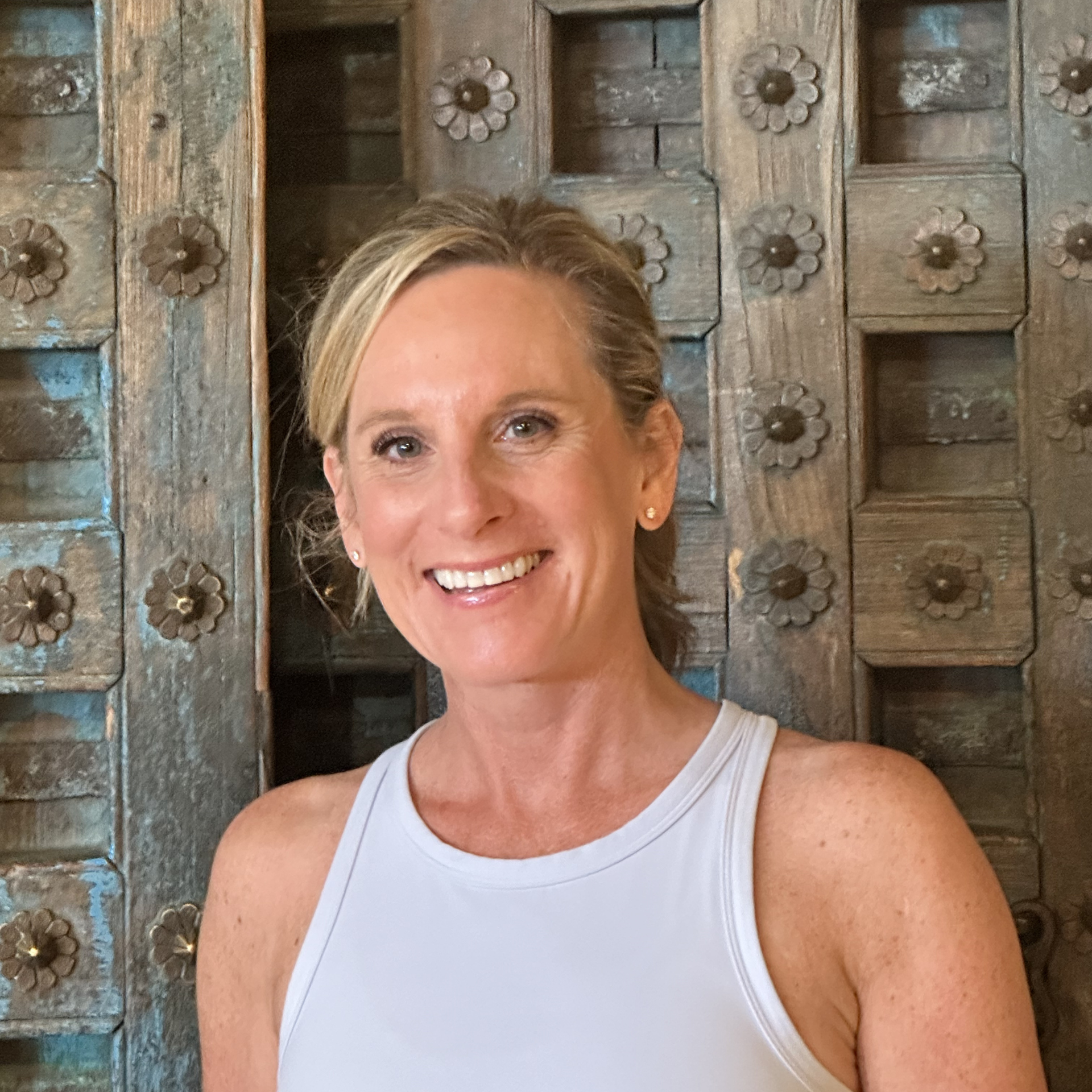
Books, Conversation and Connection • February 2025–August 2026 What happens when we gather around a meaningful book with open minds, open hearts, and a willingness to listen? At the Element Yoga Book Club, reading is only the beginning. Each book gives us a place to start, but the real experience unfolds through conversation. Together, we explore how the ideas within the pages connect to our relationships, choices, challenges, yoga practices, and everyday lives. Since February 2025, our community has gathered around books that encouraged us to slow down, look inward, and live with greater intention. We have reflected, listened, laughed, questioned, and shared. Each gathering has left us a little more connected—to ourselves, to one another, and to the lives we want to create. Where Books Become Practice Element Yoga Book Club isn’t about rushing to finish a book or arriving with all the right answers. It’s about creating space for curiosity, honesty, and meaningful connection. Each title has opened a different doorway. Together, we have explored clearer boundaries, compassionate communication, authentic living, inner peace, courageous change, and the freedom to be imperfect. Along the way, we continue returning to a few simple but powerful questions: What feels true for me right now? What am I ready to soften, release, or see differently? What do I want to practice—on my mat and in my life? You don’t have to finish every page to be part of the conversation. Bring your curiosity, your experiences, and your willingness to grow alongside others. The Books That Shaped Our Journey February 2025: The Four Agreements by Don Miguel Ruiz We began by exploring personal freedom, awareness, and authenticity. This book invited us to consider the power of our words, the beliefs we carry, and the agreements we make with ourselves. March 2025: The Let Them Theory by Mel Robbins We discussed boundaries, letting go, and the freedom that comes from allowing others to make their own choices while returning our energy to what we can control: “Let them. Let me.” April 2025: The Untethered Soul by Michael A. Singer This book invited us to observe our thoughts without becoming consumed by them. We explored presence, awareness, and the possibility of creating more inner freedom. June 2025: The Five Types of Wealth by Sahil Bloom Together, we reimagined what it means to live a wealthy life. We looked beyond financial success to the abundance found in time, relationships, health, purpose, and personal growth. July 2025: Atomic Habits by James Clear We explored how small and consistent choices can lead to meaningful change. This book reminded us that transformation often begins with one manageable step repeated over time. August 2025: Rituals of the Soul by Kori Hahn Ancient yogic wisdom met modern life as we considered how daily rituals can deepen our sense of intention, meaning, and spiritual connection. September 2025: Living Your Yoga by Judith Hanson Lasater This book encouraged us to carry yoga beyond the mat. We reflected on how our practice can influence the ways we communicate, build relationships, meet challenges, and move through daily life. October 2025: Untamed by Glennon Doyle Our conversation centered on courage, authenticity, and self-trust. We explored what it means to listen inward, question expectations, and live more bravely as our truest selves. December 2025: What We Say Matters by Judith Hanson Lasater We examined the power of compassionate communication and considered how awareness, honesty, and kindness can transform the ways we speak and listen. January 2026: Buy Yourself the F*cking Lilies by Tara Schuster This book invited us to approach self-care as a meaningful practice. We explored healing, self-worth, and the importance of becoming a steady source of support for ourselves. March 2026: The Gifts of Imperfection by Brené Brown Through conversations about courage, vulnerability, and wholehearted living, we practiced letting go of perfection and embracing ourselves as we are. May 2026: Love Your Enemies by Robert Thurman and Sharon Salzberg We explored compassion, forgiveness, anger, and peace. This book invited us to consider how understanding can help transform difficult emotions while still honoring our experiences and boundaries. June 2026: Revolution of the Soul by Seane Corn This powerful book brought us into conversations about healing, truth, love, and conscious action. We considered how personal transformation can become a meaningful force for change in the world. July 2026: Be Water, My Friend by Shannon Lee Inspired by the teachings of Bruce Lee, this book invites us to explore adaptability, resilience, and the wisdom of moving through life like water. We will consider how to remain open to change, release resistance, and respond to life without losing our essential nature. August 2026: Perfectly Imperfect by Baron Baptiste This book invites us to welcome the messy, unpredictable, and beautifully human parts of practice. Together, we will explore how the moments that don’t go according to plan can become opportunities for awareness, courage, and transformation. The Threads That Connect Us Although every book has offered a different perspective, several themes have continued to meet us along the way: Living with greater freedom and authenticity Creating healthier boundaries and trusting ourselves Finding presence within a busy and changing world Redefining what makes a life meaningful and abundant Creating lasting change through small, consistent choices Bringing yoga into our relationships and daily lives Remaining open, adaptable, and resilient Releasing perfection and embracing our full humanity Most importantly, reading together reminds us that we are not alone in the ongoing work of becoming. More Than a Book Club In yoga, svadhyaya is the practice of self-study. It invites us to look gently and honestly at our inner world so that we can live with greater awareness, compassion, and choice. The Element Yoga Book Club is our shared practice of svadhyaya —a welcoming circle where stories become mirrors, insights become practices, and community becomes part of the journey. Connect. Read. Reflect. Grow. Come for the book. Stay for the conversation. Leave with something meaningful to carry into your life. Amy
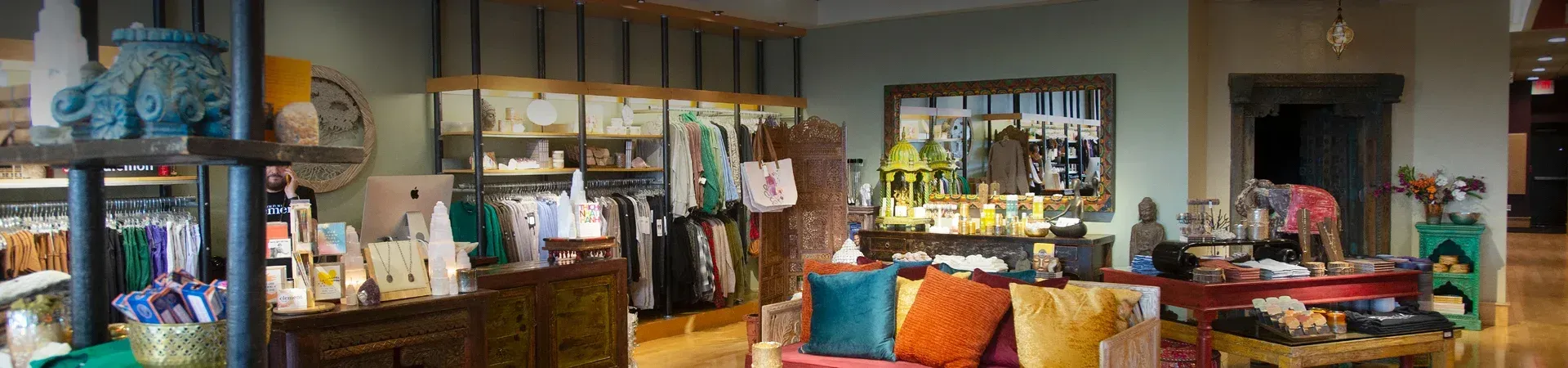
Posted on September 30, 2024 - fitness , Studio , webster ny , wellness , yoga Unlimited Yoga & Why It’s Worth It! Unlimited Yoga: Why a Membership Is Worth It O The Benefits of Unlimited Yoga Create a More Consistent Practice Consistency is where many of yoga’s benefits begin to unfold. An unlimited membership makes it easier to create a routine because you do not have to decide whether a particular class is worth using from your pass. You can simply register, arrive, and practice. Over time, a consistent practice can help you build strength, increase flexibility, improve balance, manage stress, and create a deeper connection between your body, breath, and mind. Choose the Practice That Meets You Where You Are No two days feel the same, and your yoga practice does not have to look the same each time you arrive. You may be drawn to the energy of Power Vinyasa, the steadiness of Foundations, the gentle movement of Mellow Flow, or the quieter experience of Yin Yoga, Restorative Yoga, Meditation, or Yoga Nidra. An unlimited membership gives you the freedom to choose the practice that best supports you that day while continuing to explore different classes, teachers, and approaches to wellness. Practice in a Dedicated Space Home can be filled with distractions, responsibilities, and interruptions. When you enter the studio, you are intentionally creating time for yourself. The practice room becomes a place where you can breathe, move, focus, and reconnect without the usual demands of daily life pulling your attention elsewhere. Become Part of a Community Yoga is a personal practice, but it does not have to be a solitary one. At element, students and teachers come together to create a welcoming and supportive community. Over time, familiar faces become friendships, and the studio begins to feel like a place where you truly belong. Connection also extends beyond regular classes through Book Club, yoga hikes, workshops, retreats, and special community gatherings. Bring Friends Into Your Practice The Unlimited Plan and Unlimited Annual Plan include two guest passes each month , allowing qualifying members to share element with friends or family members. A guest pass can make it easier for someone new to experience their first class with the support of someone they know. Support Your Wellness Beyond the Mat Qualifying element memberships include discounts on wellness services such as: Massage Shankara facials HydraFacials Reiki appointments Workshops and specialty events Members may also receive retail savings on selected Shankara skincare and Lotus Wei flower essences. These benefits make it easier to build a more complete wellness routine that includes movement, rest, recovery, skincare, and intentional self-care. Finding the Right Plan for Your Practice Not everyone practices at the same frequency, which is why element offers unlimited plans and flexible class packs. Single Class $26 per class This is a flexible option for an occasional visit without purchasing a larger plan. 10-Class Pack $200 — $20 per class The 10-Class Pack saves $6 on every class compared with the regular single-class rate. 20-Class Pack $360 — $18 per class The 20-Class Pack offers the lowest per-class price without committing to a recurring monthly membership. Unlimited Plan $108 per month with a three-month commitment This plan includes unlimited yoga and meditation classes in the studio, online, and on demand. It is an excellent choice for students who want to establish a more consistent practice. One-Month Unlimited Plan $121 per month with no long-term commitment This option provides unlimited classes with greater month-to-month flexibility. Unlimited Annual Plan $1,188 per year The annual plan works out to $99 per month . Compared with paying $108 each month for 12 months, the annual membership saves $108 per year—the equivalent of one month . New to element? Begin With Our Intro Offer If you are not sure which classes or membership option will work best for you, begin with our current 21-Day Intro Offer . The introductory offer allows new students to experience unlimited yoga and meditation, explore different class styles, meet our teachers, and discover how element fits into their lives. After your introductory period, our team will be happy to help you compare unlimited memberships and class passes so you can choose the option that best supports your schedule and goals. Your Practice Is an Investment in You An unlimited yoga membership is about more than attending as many classes as possible. It is about giving yourself consistent access to movement, stillness, community, and care. Your physical, emotional, mental, and spiritual well-being are worthy of that investment—and the element team is here to support you throughout your journey. Have questions about the 21-Day Intro Offer, unlimited memberships, or class passes? Stop by the studio, call us, or send us an email. We would be happy to help you choose the option that best fits your lifestyle. Call: 585-872-1668 Email: hello@elementyogastudio.com We look forward to seeing you on your mat!
Summer is officially here! While we all love the warm weather and outdoor adventures, this season also brings a flood of questions to my treatment room about one specific topic: Sunscreen. Many clients ask me if daily SPF is really necessary, or how to pick the right one. Today, I’m breaking down the science of sun protection, why it’s your absolute best defense against aging, and how to keep your skin glowing all summer long. The Science of SPF: What Does It Actually Do? We all know sunscreen prevents sunburns, but let’s look at the math and the biology of what’s happening. What is SPF? It stands for Sun Protection Factor . If your unprotected skin starts to redden in 10 minutes, applying an SPF 30 theoretically protects you 30 times longer (up to 300 minutes) under ideal conditions. UVA vs. UVB: Think of UVB as the rays that cause B urning (the surface damage), and UVA as the rays that cause A ging (deep cellular damage). The Esthetician's Truth: You need protection from both! The Skin Cancer Foundation recommends a broad-spectrum sunscreen of SPF 30 or higher every single day. To keep that shield active, you must reapply every two hours—especially if you're swimming, sweating, or lounging outdoors. "Do I really need it if I'm inside?" Yes! A 10-minute commute or 30 minutes sitting by a sunny window adds up. UV damage is cumulative. You might not see it tomorrow, but it will show up years down the road. In fact, approximately 90% of visible skin aging is caused by the sun. Everything from fine lines and dark spots to melasma and sagging is rooted in UV exposure. The good news? Consistent, daily sunscreen use doesn't just prevent future damage—research shows it actually gives your skin a chance to repair existing damage over time. Meet Our Summer Hero: Antedotum Mineral SPF 30 At element , we want to take the guesswork out of your morning routine. That’s why we are obsessed with Antedotum . Grounded in Ayurvedic principles, this is not your typical thick, chalky sunscreen. It features a natural, sustainable, mineral-based formula that is: Fragrance-free and completely non-greasy. Formulated to blend beautifully into all skin tones with a gorgeous satin finish. Vegan and cruelty-free. Dual-action: Protects against both UV rays and the blue light from your phone and computer screens. This Month’s Spa Ritual: The Summer Glow HydraFacial Between heavy layers of sunscreen, increased sweat, outdoor dust, and extra oil production, summer skin can quickly become congested, dull, and dehydrated. If your skin is crying out for a reset, the Summer Glow HydraFacial is my absolute favorite recommendation. This high-tech treatment: Deeply cleanses away stubborn summer buildup. Gently exfoliates to reveal fresh, radiant skin. Extracts impurities from clogged pores. Infuses intense hydration and potent antioxidants back into the skin. There is zero downtime, making it the perfect post-vacation or weekend-at-the-lake recovery treatment. Bonus: By clearing out dead skin cells, a HydraFacial creates the perfect canvas for your at-home products to absorb much deeper and work harder for you. Continue Your Ritual at Home Beautiful skin is a partnership between your monthly spa treatments and your daily habits. At element , we love the philosophy behind the Shankara skincare line: radiant skin is created through simple, mindful daily rituals. This month, I recommend this effortless two-step morning ritual: Step 1. Cleanse with Shankara Hydrating Cleanser: Gently washes away nighttime impurities while completely preserving your skin’s natural moisture barrier. Step 2. Protect with Antedotum Mineral SPF 30: Shields against UVA, UVB, and blue light while leaving you with a healthy, glowing finish. A Mindful Moment "Just as you protect your peace with healthy boundaries, protect your skin with daily SPF. Small acts of care, repeated consistently, create lasting wellness. Before you step outside today, pause, take one deep breath, and remember that caring for yourself is never a luxury—it’s a daily practice." Ready to Glow? We’d love to help you customize a summer routine that fits your unique skin goals. Want the ultimate summer refresh? [Click here to book your Summer Glow HydraFacial today!] Need the perfect SPF? Stop by the spa front desk to try a sample of Antedotum or explore the rest of our curated Shankara collection. Your skin will thank you! Be on the lookout for a few new offerings coming soon from your Spa team! With love and dewy skin, Allison
Posted on April 17, 2023 - Studio “The journey of a thousand miles begins with a single step.” ~ Lao Tzu Sometimes in life, when we are faced with an enormous challenge, the hardest part is taking that very first step. By following my dream and continuing to grow this beautiful community of yoga, Element Yoga was born. At times the task seemed too overwhelming, but with each new step we built momentum, and little by little, things started falling into place. In all of nature, growth is a process—just as yoga is a process. It begins as something small, but as it takes root, it grows. Connecting to the earth elements, you connect to your true nature. When there is growth, there is always change, and yoga is about being open to the possibility for change. I believe that yoga is never about holding on, it is always about letting go. Just like the trees let go of their leaves, we must also let go and be open—open to the transformation that brings new life, new experiences, and new opportunities. With Element Yoga I feel like I have been given a second chance—the chance of a lifetime. The yoga practice itself is challenging, and it helps you deal with life’s daily challenges. You open up, bringing more gratitude and appreciation into your life. Yoga means “union” or “joining together.” It is not only the communion of mind, body and spirit, but the joining together of people. Without this wonderful yoga community, Element Yoga would not be here today. Each one of you helps me in your own special way. I truly couldn’t have done this without you—you make it possible for me to do the job that I love. We built this yoga community together and will continue to grow it together. It is my studio, it is your studio, it is ours: we are ALL connected, we are in our element. I wish you peace, love and happiness. Yours in service, Scott
Posted on May 25, 2023 - 21 day challenge, fitness, Studio, Uncategorized, webster ny, wellness, yoga Have you played with the idea of doing a yoga challenge? Whether you’re curious about how to kick start your own yoga practice, or you’d like to rededicate yourself to a daily yoga routine, A 21-day yoga challenge is a great way to get inspiration and support from your element yoga community. THE BASICS OF A 21-DAY YOGA CHALLENGE Participating in a 21-day yoga challenge means committing to practicing yoga every day for 21 days straight (the length and focus of your practice will depend on the classes you choose!). But it’s about more than just doing asana (yoga poses) each day. A 21-day yoga challenge represents a personal commitment you make to yourself. It can often be easier to find time for work, family, and friends than to make time for ourselves. A 21-day yoga challenge offers you a structure for creating time each day to nurture yourself. WHY HAVE A DAILY PRACTICE? A yoga challenge can seem intimidating if you’re not accustomed to doing yoga every day—so start out small! Our 21 day challenge is on the honer system. So you can practice for as little as 10 or 15 minutes a day at home, or join us in studio in a variaety of classes. A little yoga every day can be a lot more beneficial than practicing for longer periods of time only occasionally. Because it gets you practicing regularly, a 21-day yoga challenge can help you build confidence in your practice. Much like learning the positions of your fingers on a piano or guitar, new yoga postures will often be unfamiliar at first; but as your daily practice continues, your body remembers! The more poses you commit to muscle memory, the easier it will be to dedicate yourself to a daily practice—and the stronger your body will become. The benefits of yoga will typically be experienced any time you practice, but establishing a daily routine helps you to reap those benefits on a regular basis. Yoga challenges undeniably help you to improve your asana practice. More importantly, however, they allow you to begin to experience the effects of a consistent yoga practice on your day-to-day life. While you may notice improvements in your strength and flexibility, you may also notice more subtle benefits such as improved mood and attitude and better sleep patterns. According to a recent Harvard Medical School study, yoga can even help with anxiety and depression. Dedicating yourself to your practice—making time for even a quick sequence every day—may have lasting effects on your overall physical health. SETTING YOURSELF UP TO SUCCEED WITH A 21-DAY YOGA CHALLENGE If the thought of beginning a 21-day yoga challenge, is overwhelming—don’t worry. There are many ways to set yourself up for success! Here are some tips for overcoming a few of the obstacles that many of us face when beginning a yoga challenge. FIND A FRIEND Many people find new activities more bearable when they embark upon them with a friend. Find a friend who is willing to join you on a 21 day challenge! You and your practice buddy can either meet up in person, or practice on your own and simply encourage each other with daily texts and check-ins. Inspire each other and hold each other accountable, and you may discover that getting on your mat each day is much easier than you thought. Plus, having a friend along for the ride can make the challenge a lot more fun. CELEBRATE YOUR VICTORIES! Throughout your 21 days you’re sure to make some noticeable strides. Give yourself credit along the way! Pat yourself on the back for getting on the mat each day, knowing that that in itself is a huge achievement. Acknowledge when you keep your daily practice promise, even when you didn’t want to or when your schedule seemed overwhelming. Celebrating victories—whether small or large—will help make your 21-day yoga challenge fulfilling. We will have fun prizes and treats you along the way;) TRACK YOUR PRACTICE One of the best ways to keep yourself motivated throughout a yoga challenge is to track your progress.. We will provide you a fun passport to track your progress and create goals. It will make the challenge more manageable and fun. Plus, you’ll see in one place all the progress you’ve made. Start a yoga journal and when you write in your journal, don’t include just your feelings, struggles, and wins, but consider also keeping a literal log of the amount of time spent in each of your chosen practices. By the end of the challenge, you may notice tangible improvements in the amount of time you’ve committed to your practice each day. And throughout the process, you’ll be given real metrics that will help you measure your progress, as well as tangible tools to help you understand yourself better by the time you’re done. Now you know more about embarking on a 21-day yoga challenge. Are you ready to get started? We can help you with that. At element yoga, we provide an Unlimited Membership that offers you access to all of our classes—for beginners to advanced—each class style is designed with a specific focus in mind, allowing you to choose one that aligns with your practice needs and goals. Our membership is easy and affordable—and you can get started today without any commitment. If you sign up for the 21 day challenge we are waiving the $50 enrollment fee. There are no contracts so you can cancel anytime. Our $99 monthly Unlimited Membership is the most affordable way to commit to your 21 day challenge. You can sign up online or stop by and one of our team can get you all set up. Sign up for our “Get Summer Ready” 21-day yoga challenge, and discover the difference that daily practice can make.
Posted on July 10, 2024 - massage, wellness, yoga Yoga and massage therapy are two of the most popular wellness practices, and if your instinct is telling you to combine them, you’re definitely on to something. Massage and yoga are actually more similar than you may think. Both practices detoxify and oxygenate the body by increasing blood flow; both can increase flexibility and range of motion; and both are excellent for relieving stress. And did you know yoga is actually a type of self-massage? The twisting, bending, and folding that takes place during yoga actually massages the internal organs, making it an excellent way to gently promote their healthy function Getting a Massage BEFORE Yoga Getting a massage before practicing yoga class will increase blood flow to your muscles, lengthening the outer layer of muscles and connective tissue (AKA “fascia”) and allowing you to stretch more deeply into your asanas. A massage warms the muscles and “pre-stretches” them in a way, so you’ll likely be able to stretch farther and hold the poses longer. Thanks to its tension-relieving, focus-inducing powers, massage may also make it easier to stay present and focused during your yoga session, enhancing yoga’s meditative effects. Book your pre-yoga massage here: https://elementyogastudio.com/wellness-services/ Getting a Massage AFTER Yoga As with the massage-then-yoga sequence, yoga-then-massage will allow your body to maximize some of the other benefits of both practices. If you get a massage after a yoga session you’ll benefit greatly from the massage’s reduction of lactic acid that builds up in the body after exercise. This will help you recover more quickly (after any type of exercise—not just yoga). If the therapist is targeting deeper connective tissue and fascia, the effects will encourage your freshly stretched muscles to stay at their increased length—extending and compounding the yogic benefits. If your goal is to achieve maximum relaxation through your yoga/massage tandem, then this is definitely the sequence you want. A calming massage after yoga can be a profoundly relaxing experience. Combining the calming, stress-relieving benefits of both. Book your post-yoga massage here: https://elementyogastudio.com/wellness-services/ What Sounds Best to You? We’ve got you covered at element wellness. However you choose to double up your yoga and massage practices, you’re sure to see exponentially increased benefits from both. Just remember to always communicate with your massage therapist. Tell them about your current physiological state before they begin (i.e. if you just came from a vigorous hot yoga class) and/or what you plan to do after your massage (say, a hour of hot vinyasa flow). Noah, will be sure to customize the massage to your needs and goals so you get the most benefit, the most safely, out of your entire wellness routine. Meet Noah Noah, is a native of Rochester, With seven years of experience, he has honed his craft and cultivated a deep passion for promoting holistic wellness and pain relief. “For me, massage therapy isn’t just a profession; it’s a calling—a calling to help others find solace, relaxation, and healing amidst life’s stresses. Whether you’re seeking relief from tension, relaxation, or support for your overall health, I’m here to craft personalized treatment plans tailored to your unique needs and concerns.” At the core of his practice lies a profound commitment to your well-being. He will take great care to listen to your individual concerns and collaborate with you to achieve your wellness goals. We are grateful he part of the element wellness team. Book a massage with. noah here: https://elementyogastudio.com/wellness-services/
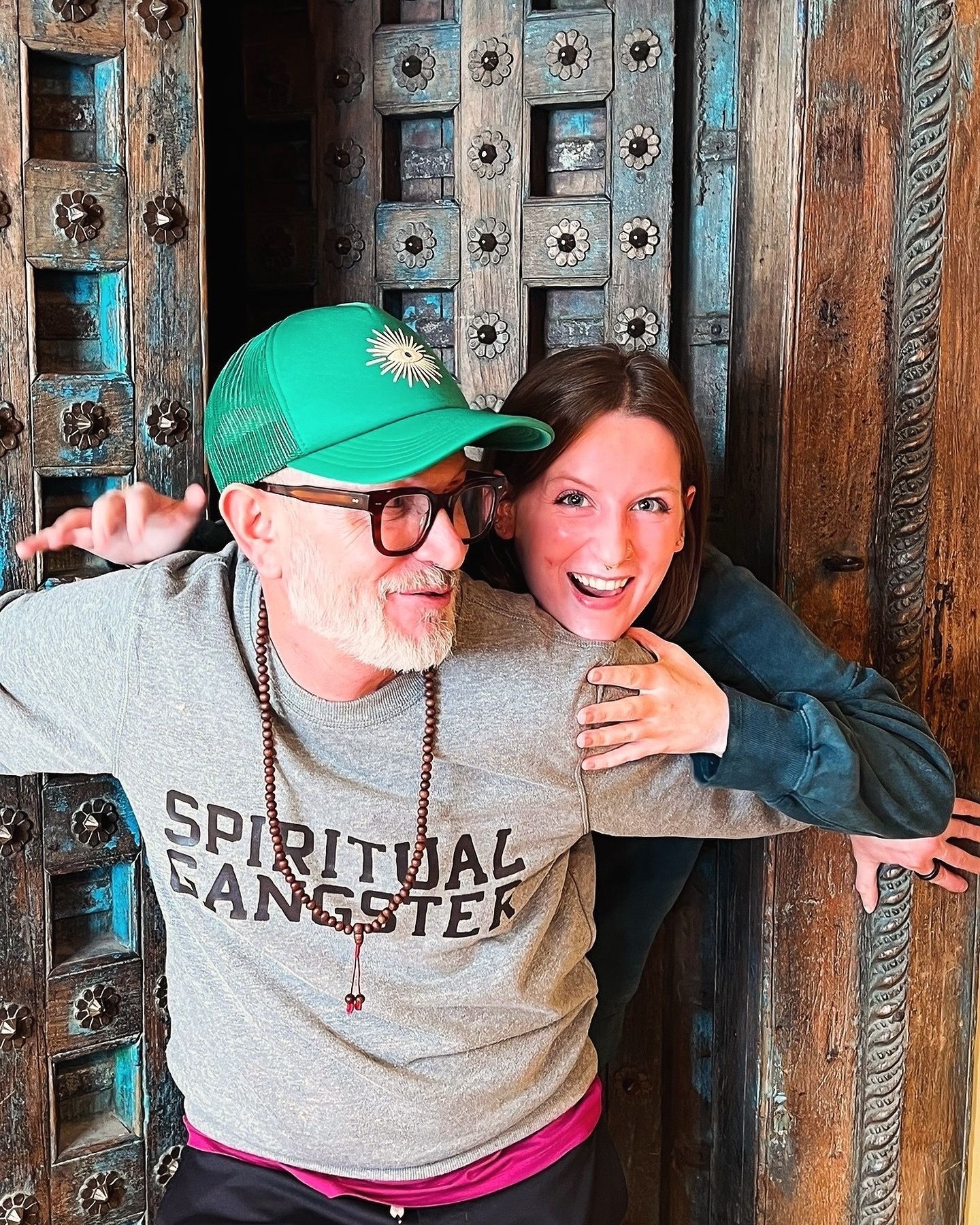
Posted on December 2, 2025 - Studio , Teacher Training , webster ny , yoga Liz’s Journey Into Transformation Teacher training found me during an incredibly difficult time in my life. I stepped into the program with the hope that it might offer a space to heal—somewhere I could process my grief, reconnect with myself, and breathe again. I walked away with so much more than I could’ve hoped for. Teacher training deepened my understanding of myself: who I am at my core, who I want to become, and the truth that the power to change and grow comes from within. Throughout the training, I began to uncover parts of myself I hadn’t fully acknowledged—my values, my strengths, my vulnerabilities, and the version of myself I hoped to grow into. I learned that transformation doesn’t come through big, dramatic moments. It comes from the quiet, steady work within. The inquiry exercises, journaling, and heartfelt group discussions became mirrors, helping me see myself and others with greater clarity and compassion. In that space, I found the courage to trust myself, use my voice, and show up authentically—qualities that continue to shape my teaching today. Yoga as a Lifelong Path Teacher training revealed how expansive yoga truly is. What began as a physical practice unfolded into a profound internal journey. The philosophy, history, and language of yoga drew me in, deepening my respect for the rich wisdom behind the practice. Even now, I find myself endlessly curious—drawn to yoga texts like The Four Agreements, The Yamas and Niyamas, The Bhagavad Gita, and many others I first encountered during the training. These texts didn’t just expand my understanding of yoga philosophy; they offered guidance, grounding, and perspective during a time when I needed it most. I’m grateful teacher training opened that door for me. Those teachings continue to influence the way I practice, think, and move through the world. A Turning Point That Still Echoes In many ways, teacher training was the catalyst for becoming a lifelong student. It didn’t just support my healing; it transformed the way I live my life. It showed me my voice, my courage, my capacity for change—and it continues to anchor me every day. For that, I am endlessly grateful. — Liz If Liz’s story resonates with you and you feel called to explore your own path more deeply, you can learn more about our 200-hour teacher training here :
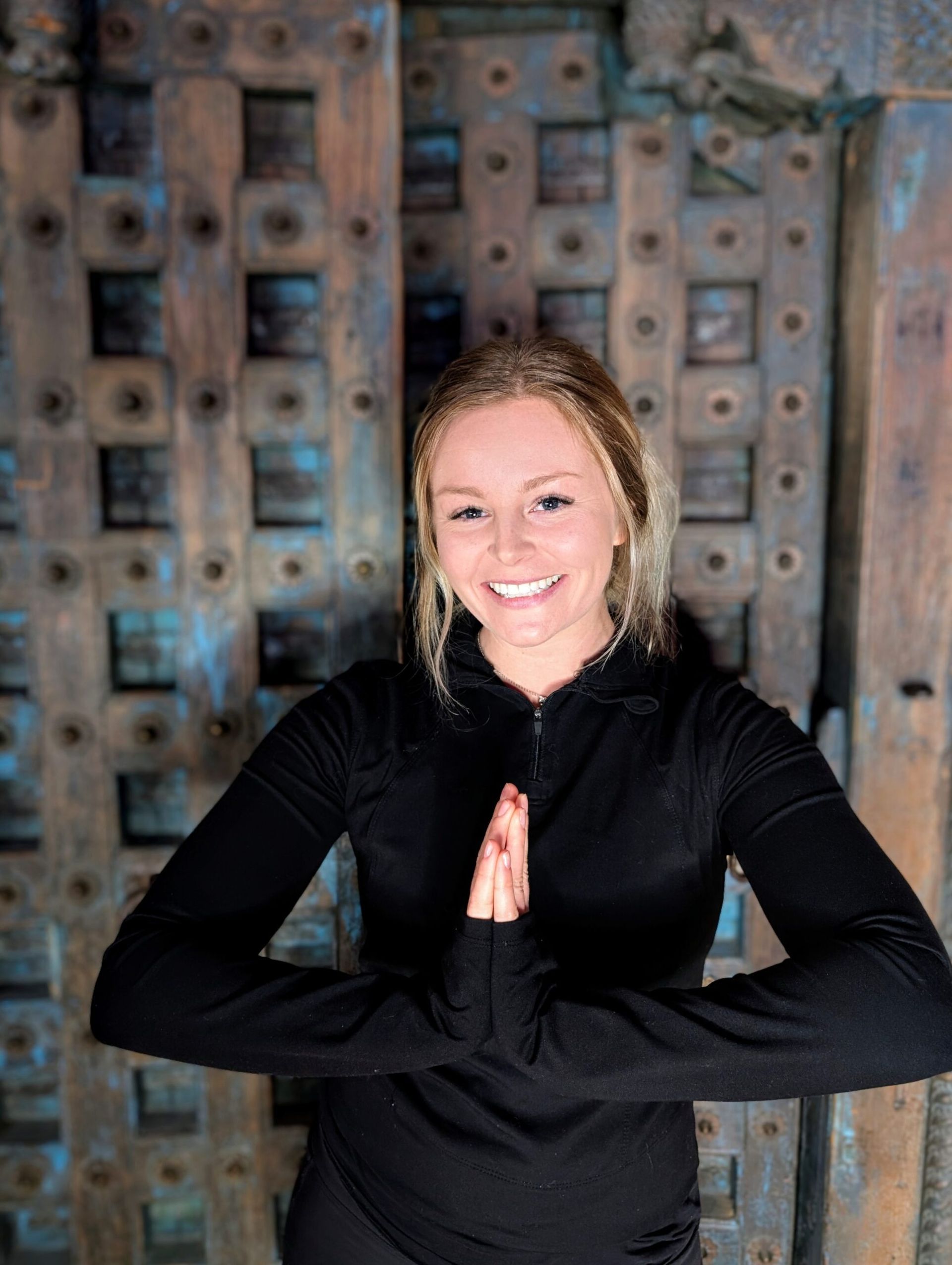
Posted on December 14, 2025 - Studio , Teacher Training , webster ny , yoga I wanted to understand. I wanted to understand why yoga made me feel better. The movement, the mat, the breathing, the heat. All of it. I wanted to understand yoga and how I could bring what I was gaining into the hearts and souls of the people I love beyond the studio walls. I wanted to inspire others to find the practice and take the journey inward. And I find myself, every day, doing just that. My journey to the “why” has continued far beyond teacher training. The most meaningful part is that my why is always changing. My purpose shifts as my perspective shifts, and that is the point. There is no finish line on the path to growth or enlightenment. That’s where the beauty lives. After teacher training, I gained the power of perspective. Not just my own, but the ability to shift it, and the ability to honor that everyone else carries their own perspective too. I gained gratitude for the world, for others, for myself, and for the present moment. I gained grounding. Feeling supported beneath me reminds me that I am held and lifted at the same time. Yoga taught me balance. I accept my lows just as much as my highs. Every experience belongs. Nothing is wasted. My awareness deepened through meditation and presence. Meditation used to be the hardest part of the practice for me. When I realized meditation isn’t just sitting still with focused breathing, but something woven into every moment, everything changed. Meditation became connection. Presence. Awakening. It gave me a sense of belonging I didn’t know I was missing . I found connection to my center, and through that, connection to everyone I meet. I understand now that we are always connected through energy and awareness. Breathwork and meditation became a turning point for me, not only on the mat, but in my life. Teaching yoga pours into everything else I do . When I teach, I feel the breath and movement in my own body. It keeps me calm and present, and it empowers me at the same time. I carry that feeling into the world. Guiding others toward self-acceptance and the courage to continue growing is an incredible experience . Yoga is no longer a hobby for me. It’s my morning routine. It shows up every day and reminds me that perfection doesn’t exist. Consistency matters more. Consistency creates something lasting. This path of transformation is ongoing. I am endlessly grateful for my teacher training experience and for the community that continues to support it. — Hanna If Hanna’s story resonates with you and you feel called to explore your own path more deeply, you can learn more about our 200-hour teacher training here :

Posted on December 21, 2025 - Studio , Teacher Training , webster ny , yoga For years, I felt the pull toward teacher training, but I never quite had the courage to take the leap. I knew in my heart it was something I wanted, yet I kept waiting for the “right time.” When COVID happened and everything slowed down, I realized it was the perfect moment to finally say yes to myself. I signed up for my 200-hour teacher training with the intention of deepening my own practice, learning more about yoga, and hopefully becoming a teacher one day. I wanted to understand the practice that had given me so much and to eventually share it with others. What I didn’t anticipate was how deeply this journey would help me see myself. Throughout the training, I formed friendships that became some of the most meaningful relationships in my life. The inquiry work, journaling, and honest conversations created space for reflection that went far beyond the physical practice. I uncovered strengths I hadn’t fully recognized, acknowledged areas where I was still growing, and learned to trust my own voice. Teacher training became not just a place to learn yoga, but a place to learn myself. When I began my 200-hour training, I was convinced I would never teach Power Vinyasa . Yin, Restorative, and Foundations felt like my lane. But training has a way of opening doors you don’t expect. After completing my 200 hours, I felt eager to keep learning and immediately stepped into my 300-hour training. Yoga revealed itself as a lifelong, ever-evolving practice, one that continues to shape who I am. Last year, when I had the opportunity to help lead the 200-hour teacher training at element yoga, everything came full circle. Teaching Power Vinyasa was something I once believed impossible, yet there I was, doing exactly that. Stepping into a co-facilitator role showed me just how capable we are when we allow ourselves to grow beyond our perceived limits. Teacher training didn’t just change my yoga practice. It changed how I move through the world . It gave me confidence, clarity, purpose, and a sense of belonging I didn’t realize I was craving. Transformation doesn’t always arrive through dramatic moments. Often, it unfolds through small acts of courage, steady practice, and the willingness to look within. If you feel that quiet nudge toward something deeper, trust it. This training has the power to open doors you didn’t even know were there and to reveal the most authentic version of yourself waiting on the other side. — Christine If Christine’s story resonates with you and you feel called to explore your own path more deeply, you can learn more about our 200-hour teacher training here :